The Silent Killer, Worse Than COVID-19
Malaria kills hundreds of thousands yearly. This article explores how AI-powered microscopy can make parasite detection faster, easier, and more accurate.
Magdalene Jackson
Author
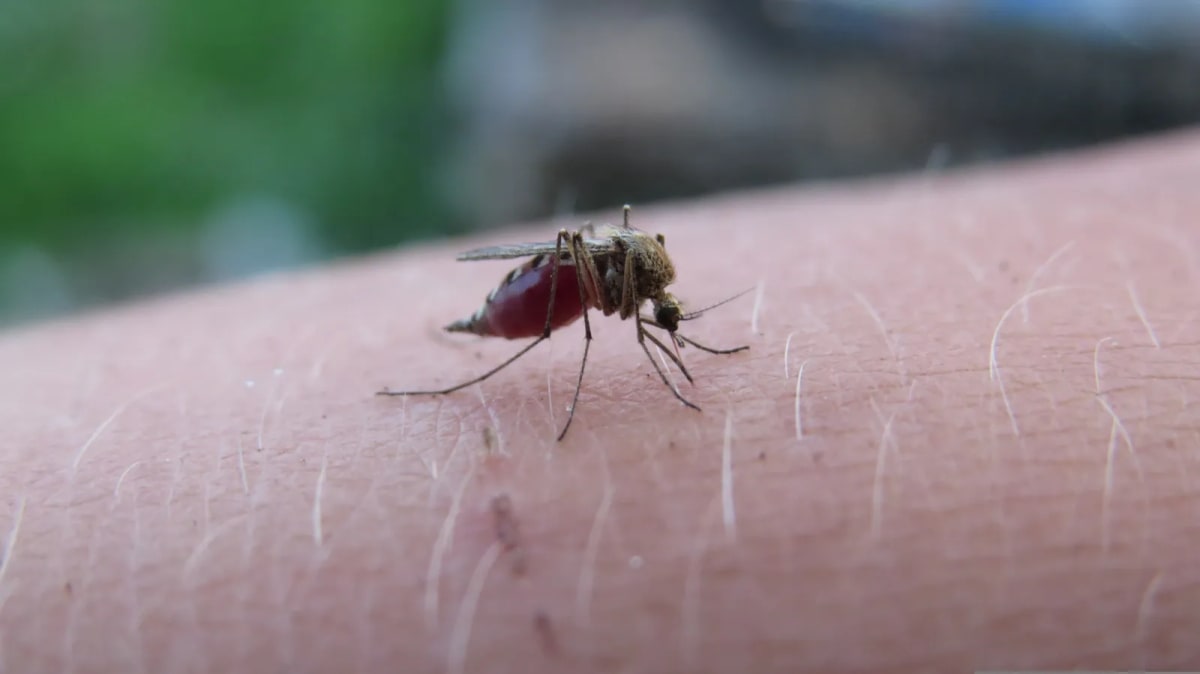
When you think of dangerous microorganisms, your mind probably jumps to viruses like the coronavirus—specifically SARS-CoV-2—which terrorized the world and led to a global shutdown in 2020, or perhaps HIV (Human Immunodeficiency Virus), a persistent threat with no known cure. But surprisingly, there’s one organism far deadlier than both: the malaria parasite.
Yes, you’re allowed to be surprised.
Malaria is so common in sub-Saharan Africa that many people dismiss it as something simple. The real danger lies in this very attitude—where the severity of the disease is underestimated, and harmful behaviours like self-medication or assuming every fever is malaria help the parasite thrive.
In reality, the malaria parasite is the deadliest microorganism to humans, responsible for an estimated 600,000 to 620,000 deaths every year—more than HIV, tuberculosis, and even COVID-19, which once brought the world to a standstill.
Its true danger lies not only in the infection itself, but also in something more tragic: misdiagnosis. Despite the availability of effective treatments, too many lives are lost because malaria is often misdiagnosed. As a result, this silent killer continues to thrive, largely unnoticed.
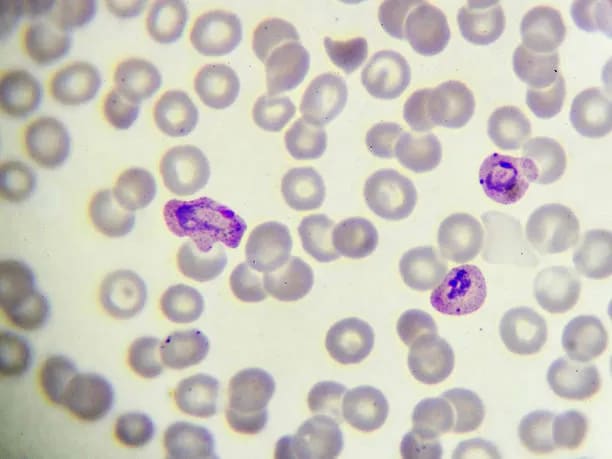
There are two commonly used methods for detecting malaria parasites: Rapid Diagnostic Tests (RDTs) and smear microscopy. RDTs offer speed and ease of use, making them popular in many settings. However, they come with significant limitations—often missing low levels of infection or failing to identify the specific Plasmodium species involved. This allows some infections to slip through undetected, continuing to cause harm.
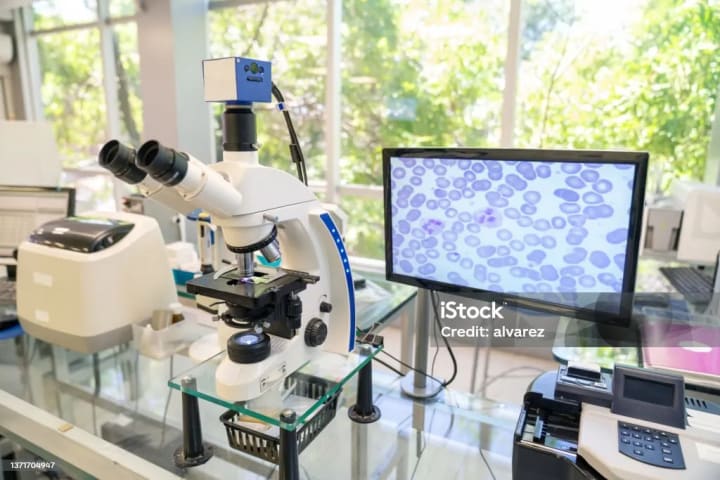
Smear Microscopy, on the other hand, is the gold standard recommended by the World Health Organization (WHO). It allows for accurate identification of malaria parasites and can determine the species and parasite load. But while effective, this method is labour-intensive, requires skilled personnel, and becomes cumbersome when processing large numbers of blood samples. Its manual nature and time demands limit its widespread use, especially in overstretched or under-resourced healthcare systems.
A Smarter Way Forward: The BMLSIA Malaria Detection App
Thankfully, BMLSIA (Biomedical Laboratory Science Innovation Academy) is developing an innovative solution to overcome these challenges. The BMLSIA smartphone-based malaria detection web app is a game-changing tool leveraging artificial intelligence and computer vision to simplify and speed up the process of detecting malaria parasites—without compromising accuracy.
Using this app, microscope slide images can be captured through a smartphone camera and analysed instantly with AI technology. The app identifies the presence of malaria parasites directly from the image, removing the need for tedious manual scanning. This innovation reduces the strain on laboratory personnel, speeds up diagnosis, and ensures greater efficiency in environments where time and resources are limited.
The app is specifically designed to support frontline healthcare professionals, particularly in high-volume or resource-limited settings. By reducing the workload associated with microscopy and improving diagnostic accuracy, the app can significantly boost the survival rate of individuals infected with malaria—especially those most vulnerable to delays in detection and treatment.
Conclusion
The race for survival is on, and time is our deciding factor. With innovations like this, we have the opportunity to tilt the curve in humanity’s favour—and take power away from the deadly malaria parasite that has claimed too many lives for too long.
Let's embrace this new technology and make Malaria parasite detection faster, easier and more accurate - the lives of many people depend on it.