Harnessing Artificial Intelligence for Accurate and Rapid Malaria Diagnosis in Low-Resource Settings Like Nigeria
AI-powered malaria diagnosis could make parasite detection faster, more accurate, and accessible in low-resource settings, especially rural communities.
Faith Ifeoma Mazi
Author
Background
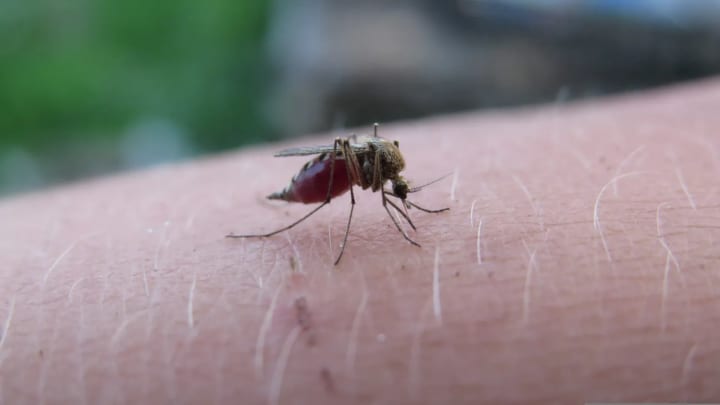
Malaria remains one of the most devastating infectious diseases in sub-Saharan Africa, causing high rates of illness and death, particularly among children and pregnant women. In many remote and underserved areas, diagnosis still relies on traditional methods such as microscopy and Rapid Diagnostic Tests (RDTs), which may be limited by availability, accuracy, or the need for trained personnel.
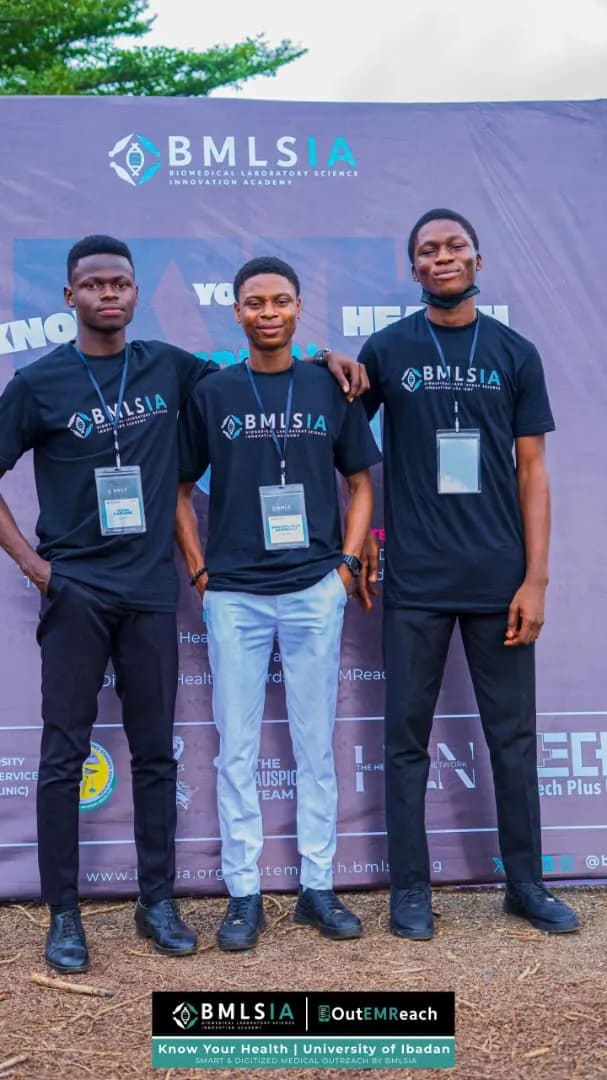
This project, organized by BMLSIA, explores how Artificial Intelligence (AI) can be used to make malaria diagnosis faster, more accurate, and more accessible, particularly in settings with limited healthcare personnel and resources.
Why Does This Project Matter?
Existing malaria diagnostic methods can be time-consuming and highly dependent on trained professionals. Misdiagnosis may occur due to human error, poor-quality test kits, or limitations in diagnostic capacity.
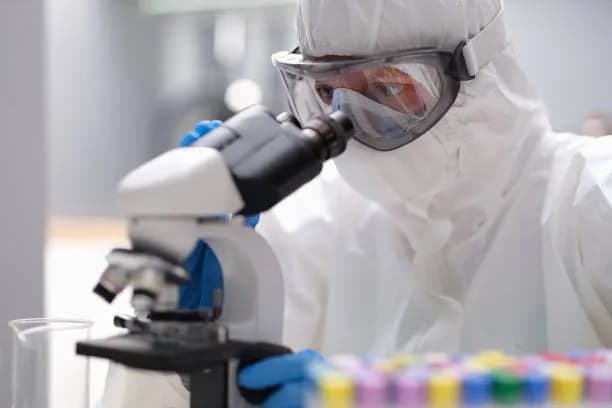
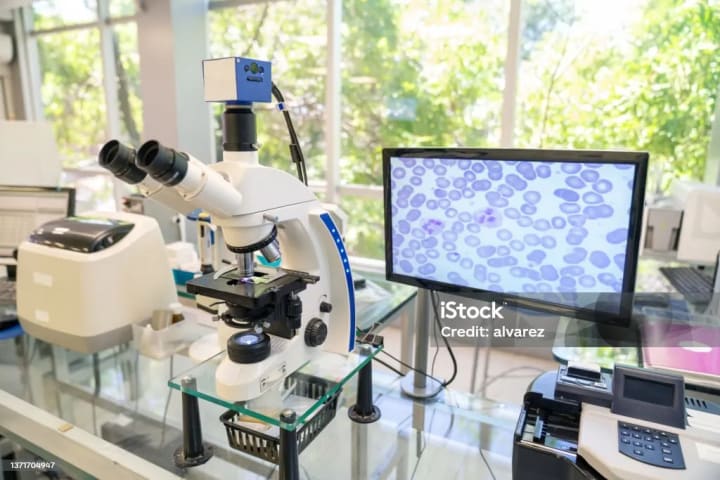
AI, particularly in image analysis, offers a promising approach to addressing these challenges. With an appropriate system, a smartphone connected to a microscope could assist in detecting malaria parasites with high accuracy, potentially reducing diagnostic time and human error while helping patients receive appropriate treatment sooner.
Goals of the Project
The project aims to:
Develop an AI system capable of detecting malaria parasites in blood samples with high accuracy.
Compare the performance of the AI system with that of human laboratory technicians.
Explore how the system could be deployed in real-world clinical settings, particularly in underserved communities.
How We Did It
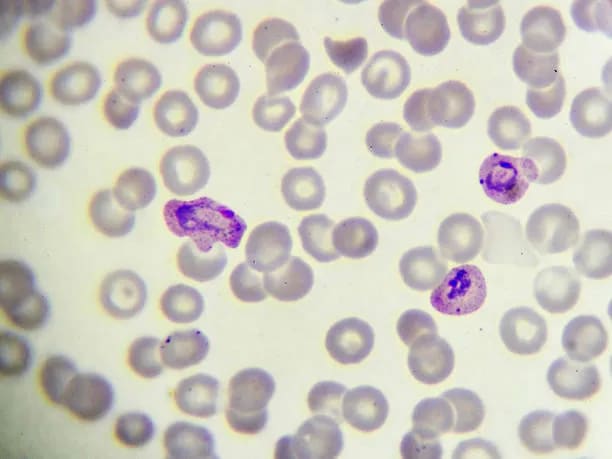
We worked with over 27000 blood smear images downloaded from the publicly available dataset by the National Institutes of Health (NIH). These images were used to train a Convolutional Neural Network (CNN), a type of AI model that is particularly effective at recognizing and analysing patterns in images.
Before training, the images were cleaned and enhanced to improve their quality and ensure that the model learned from reliable data. We also applied data augmentation techniques to help the AI model handle variations in image quality and sample conditions.
The model was then tested against human experts and existing diagnostic methods. Its performance was evaluated based on how accurately and consistently it could detect malaria parasites in the images.
Our Observations
The AI model demonstrated promising performance, achieving an accuracy of approximately 96% while analysing the sample images in under two minutes. This was considerably faster than traditional microscopy, which can take approximately 10–15 minutes per sample.
The model also maintained a relatively low error rate when analysing samples with varying image quality.
In some cases, the AI system detected features suggestive of malaria that were not identified during the initial human assessment. These findings highlight the potential of AI-assisted diagnosis as a tool for supporting earlier detection, particularly in rural and resource-limited healthcare settings.
Relevance of the Project
This project demonstrates how AI could contribute to improving malaria diagnosis by reducing processing time, supporting diagnostic accuracy, and extending the reach of healthcare services.
By combining mobile microscopy, smartphones, and AI, such systems could potentially be deployed in rural clinics and during medical outreach programmes where access to highly trained laboratory personnel may be limited.
However, AI should be viewed as a supportive diagnostic tool, rather than a replacement for qualified healthcare professionals.
What Did We Learn?
Several important lessons emerged from the project:
AI can effectively recognize malaria parasites when trained using sufficient, high-quality data.
Image quality matters significantly. Clearer blood smear images generally provide better information for the AI model.
Real-world deployment requires simplicity and accessibility. A diagnostic tool intended for remote settings should be easy for healthcare workers to use and should not depend entirely on internet connectivity.
Offline functionality is important for deployment in areas with unreliable or limited internet access, which informed the development of the OutEMReach web application.
Challenges We Faced
The project encountered several challenges, including:
Significant variation in the quality of blood smear images.
Data being collected predominantly from one geographical region, highlighting the need for broader validation.
A learning curve for healthcare workers who may be unfamiliar with AI-assisted diagnostic tools.
The need for further testing in real-world clinical environments before large-scale deployment.
Recommendations
To make the project more effective and suitable for wider deployment, we recommend:
Expand the dataset to include samples from different geographical regions and malaria species.
Partner with public health agencies to train community health workers on the use of AI-assisted diagnostic systems.
Collaborate with mobile health device manufacturers to develop a practical and user-friendly version for field deployment.
Conduct clinical validation studies in real healthcare environments before large-scale implementation.
Ensure offline functionality so that the system can operate effectively in areas with limited internet connectivity.
Our Next Line of Action
The next phase of the project will focus on improving the AI model beyond simple malaria detection. We aim to explore its ability to identify specific malaria parasite species, such as Plasmodium falciparum and Plasmodium vivax.
We are also exploring ways to make the system fully functional offline, enabling its use in remote communities where reliable internet connectivity may not be available.
In the long term, we hope to integrate AI-assisted malaria detection into broader malaria control programmes and contribute to scaling up early and accurate malaria diagnosis across Nigeria and Africa.
Key Resources Used
WHO Malaria Reports
Open-source malaria image datasets
TensorFlow
Python
Google Colab
Collaboration with local hospitals and laboratories in Nigeria
Conclusion
The project demonstrates the potential of Artificial Intelligence to support faster and more accessible malaria diagnosis in low-resource settings. While further validation, broader datasets, and clinical testing are necessary, combining AI with mobile microscopy could provide healthcare professionals with a powerful tool for improving malaria detection and supporting earlier intervention.